Our History
From ancestral lands to a global conservation model — the journey of KVO.
Timeline
Three Decades of Impact
Ancestral Lands
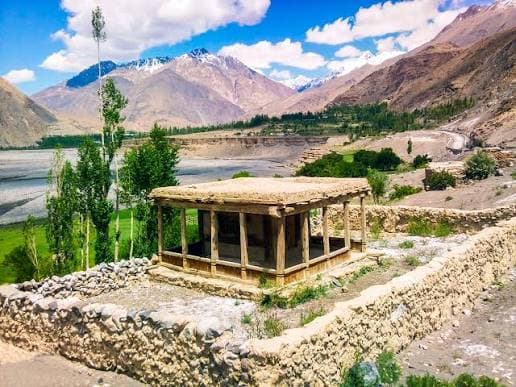
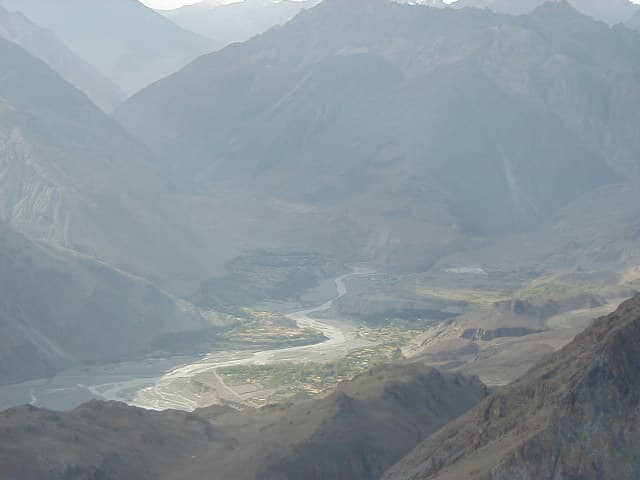
The eight villages of Upper Gojal manage their ancestral lands, including what would become Khunjrab National Park.
KNP Declared
Khunjrab National Park is officially declared, and government attempts to take control of the land from local communities.
Legal Battle
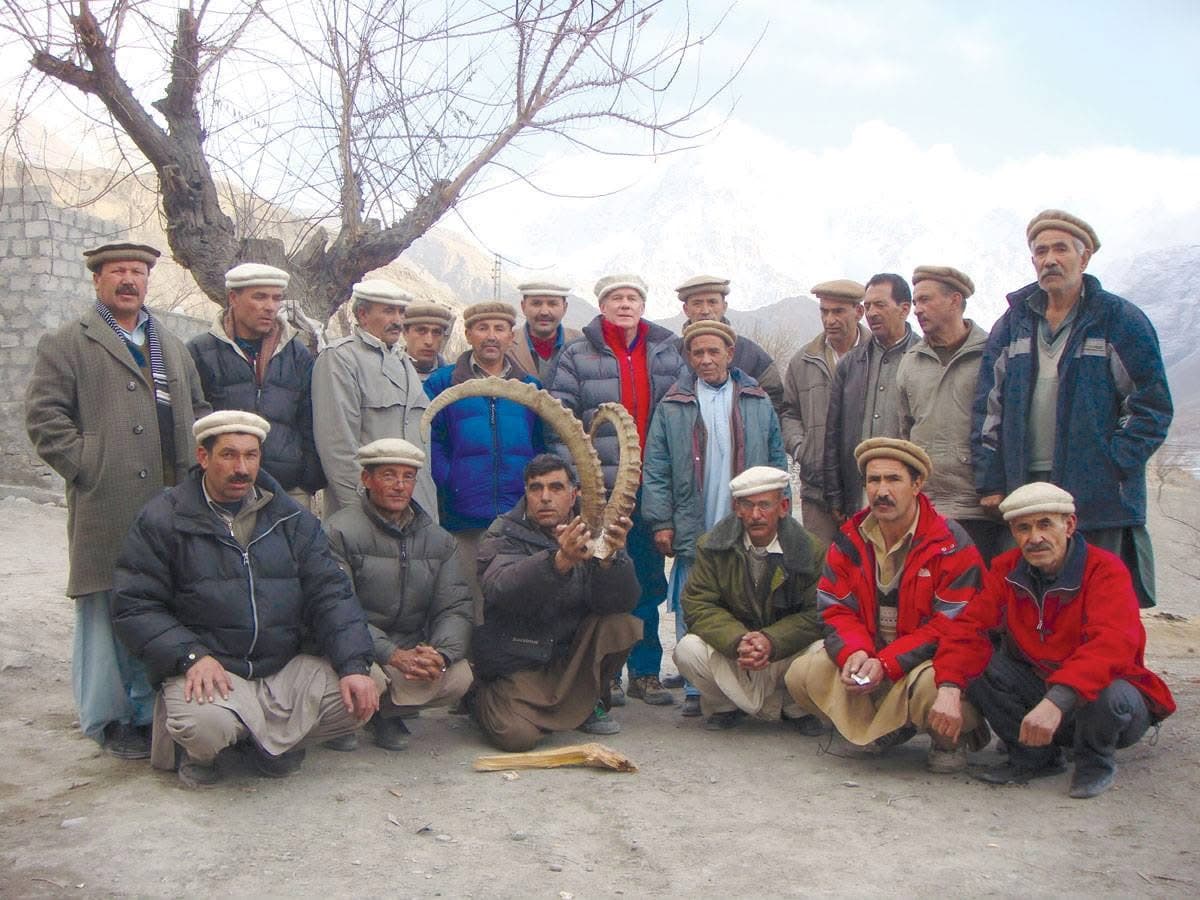
The people of KVO villages take their case to court, fighting for their ancestral rights and ownership of the land.
KVO Founded
Khunjrab Villagers Organization is formally established alongside the formalization of Khunjrab National Park management.
Conservation Model
Licensed trophy hunting and park entry fee system introduced, with 80% revenue going to KVO communities.
WWF & IUCN Partnership
International organizations provide technical support for wildlife management and conservation monitoring.
Community Growth
KVO expands development programs in education, healthcare, agriculture, and micro-lending for its communities.
Record Tourism
145,633 visitors recorded at Khunjrab National Park, a 10,437% increase from 1,382 visitors in 1999.
Biodiversity Corridors
Four multi-purpose biodiversity corridors completed in partnership with AICS, serving as wildlife bridges and tourism infrastructure.
Year-Round Border
Khunjrab Pass opens year-round, increasing access and tourism potential for the region.
Heritage
A Multi-Ethnic Community
The Wakhi People
The Wakhi are an Iranian-speaking ethnic group whose homeland spans the high-altitude valleys of Upper Gojal, the Wakhan Corridor of Afghanistan, and parts of Tajikistan and China. In the KVO villages, Wakhi communities have practiced pastoral herding and subsistence farming for centuries, developing a deep connection with the alpine landscapes of the Karakoram. Their language, Wakhi (x̌ik zik), belongs to the Eastern Iranian branch and carries a rich oral tradition of poetry, music, and storytelling.
The Burusho People & Brushaski
The Burusho are indigenous to the Hunza, Nagar, and parts of the Upper Gojal region. They speak Brushaski — a remarkable language isolate with no known genetic relationship to any other language in the world. Linguists consider it one of the oldest surviving languages in the region. The Burusho inhabit several KVO villages alongside their Wakhi neighbours, and their cultural traditions — from music and dance to cuisine and craftsmanship — add to the vibrant diversity of the community.
KVO represents the shared stewardship of both Wakhi and Burusho communities. Despite linguistic and cultural differences, these communities are united in their commitment to protecting the wildlife and natural heritage of the Khunjrab region — a powerful example of multi-ethnic cooperation in conservation.
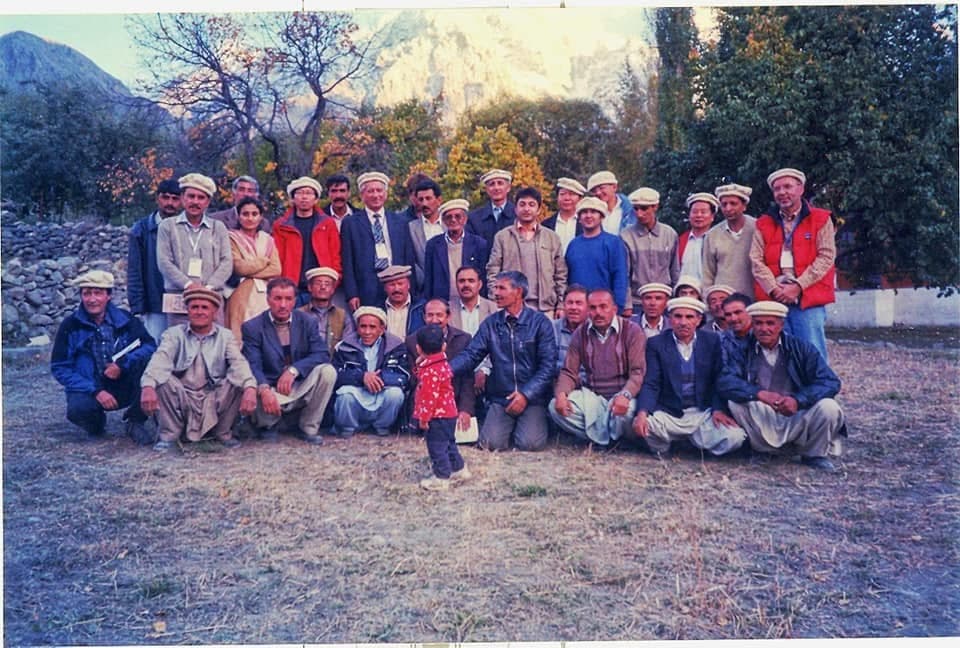
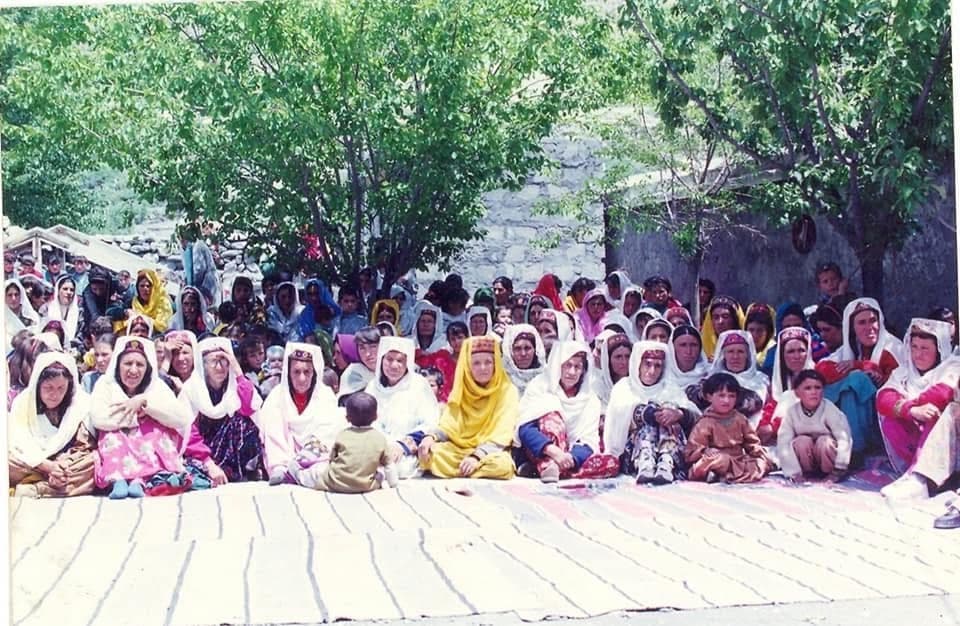
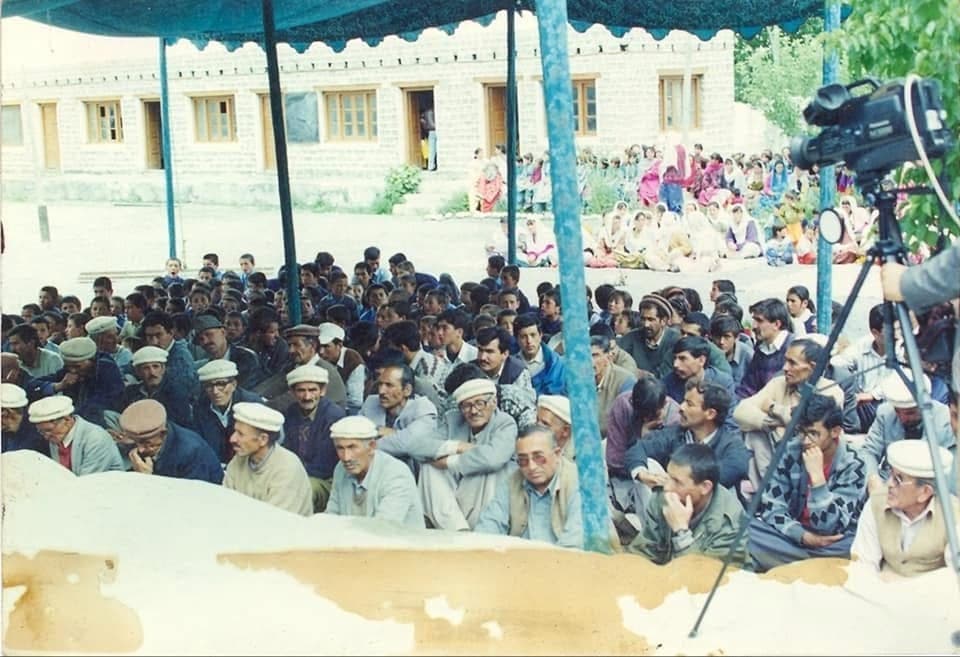
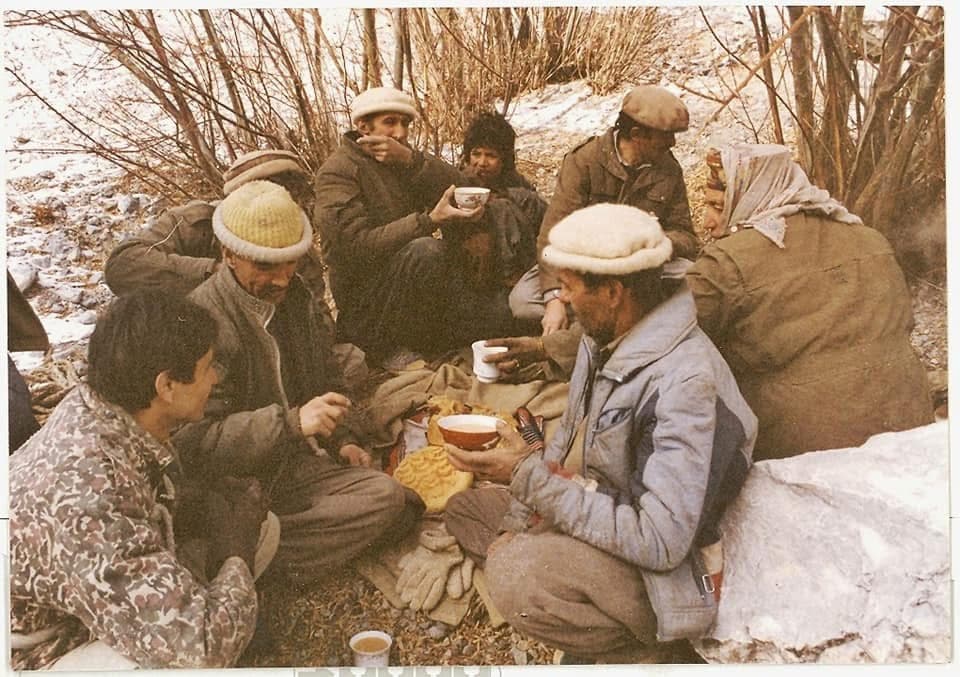
Archive
Historical Gallery